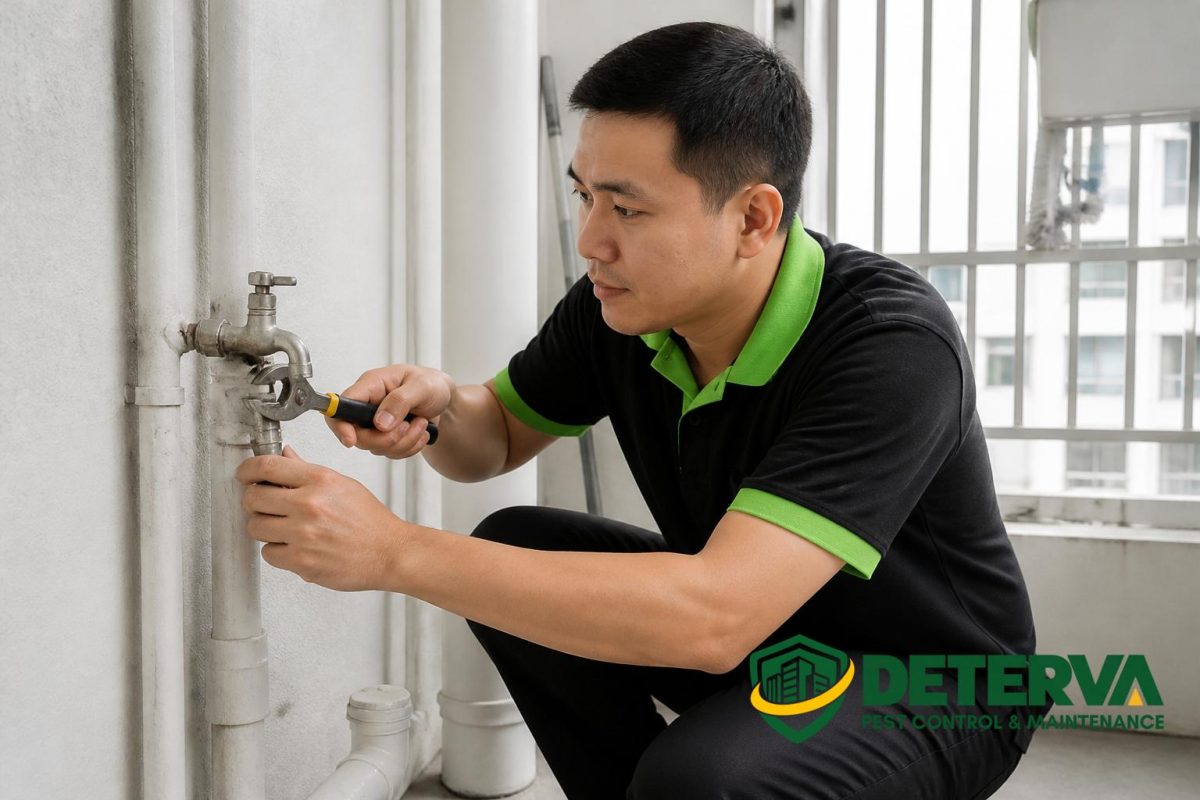
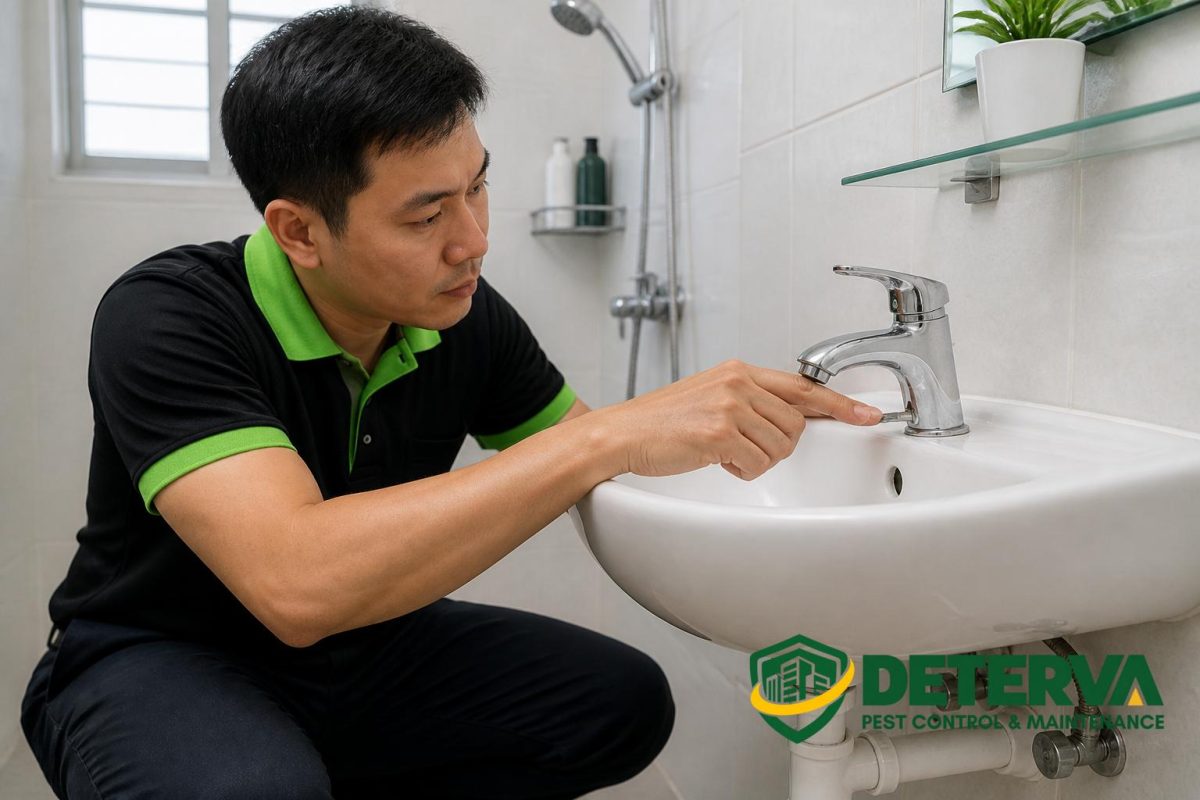
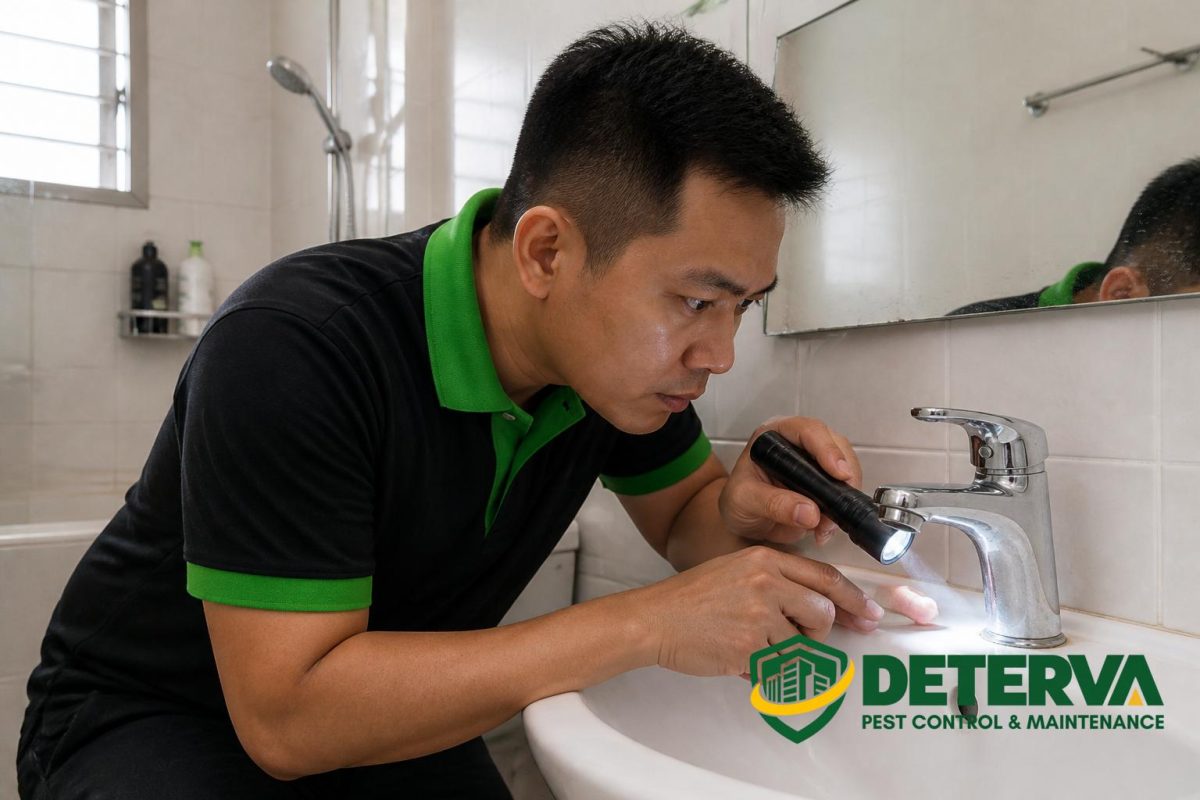
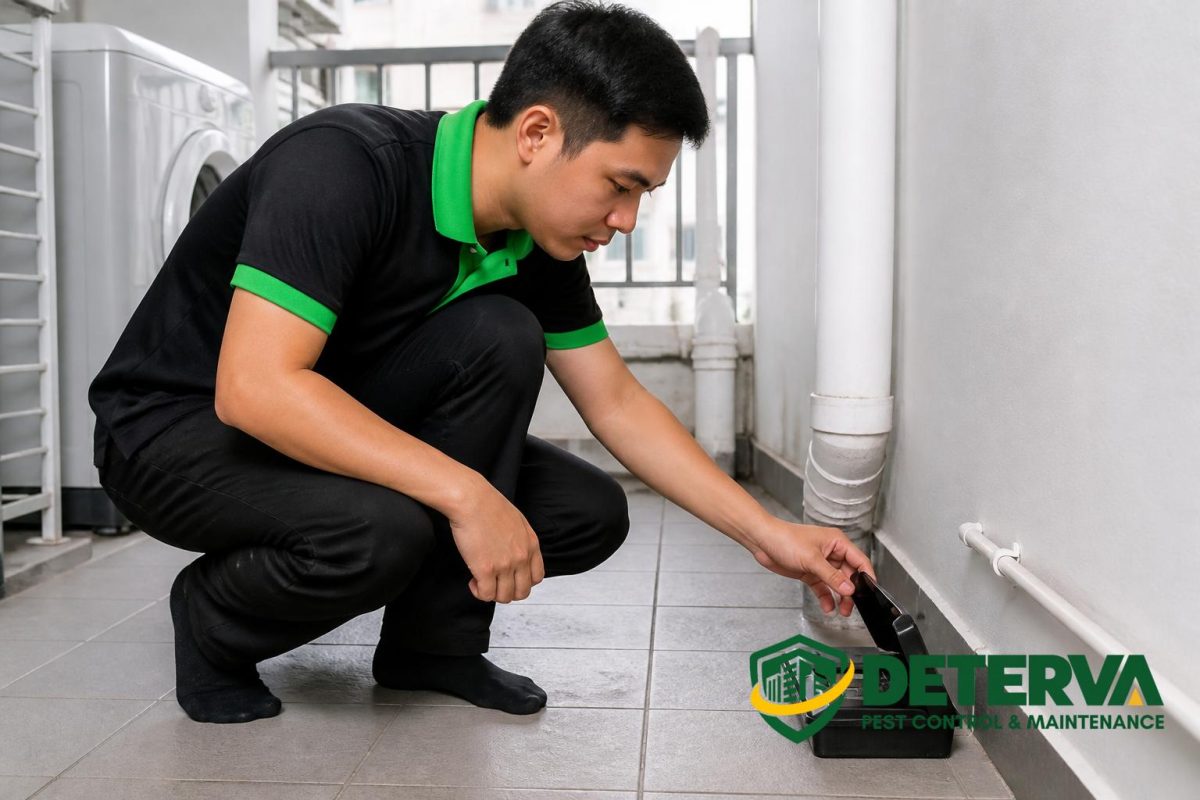
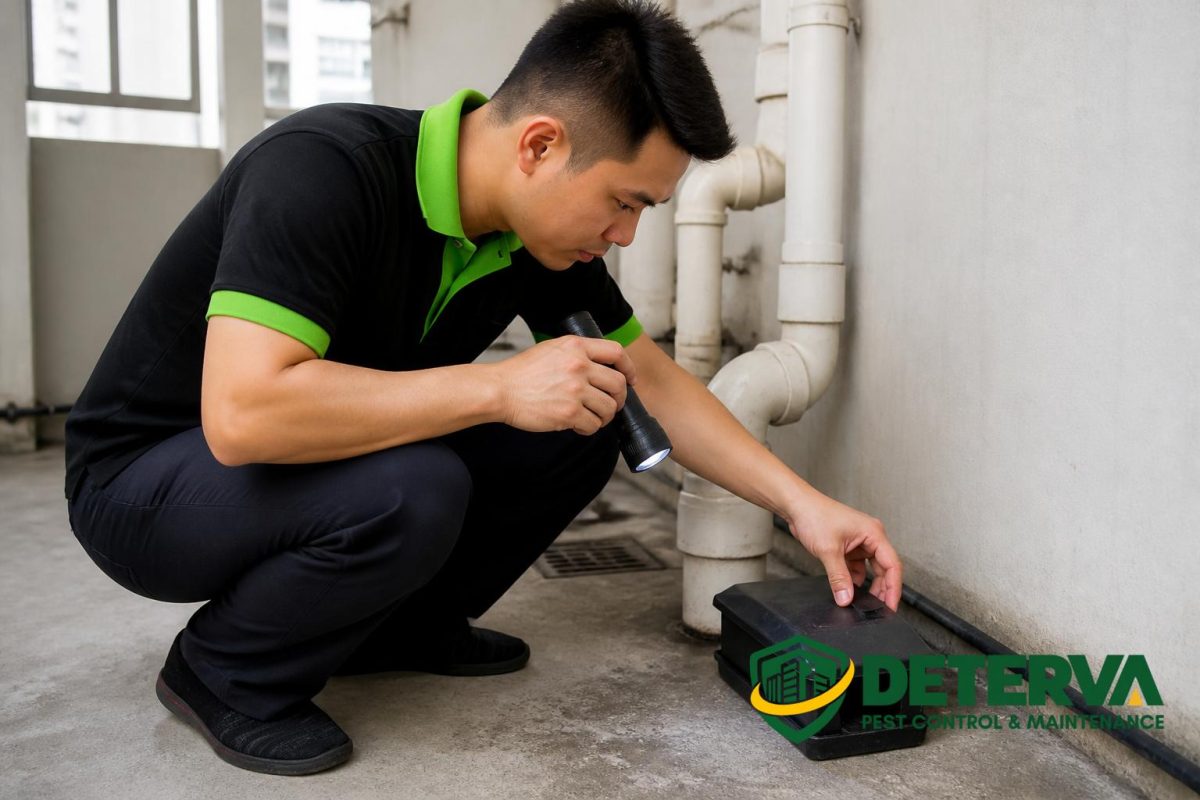
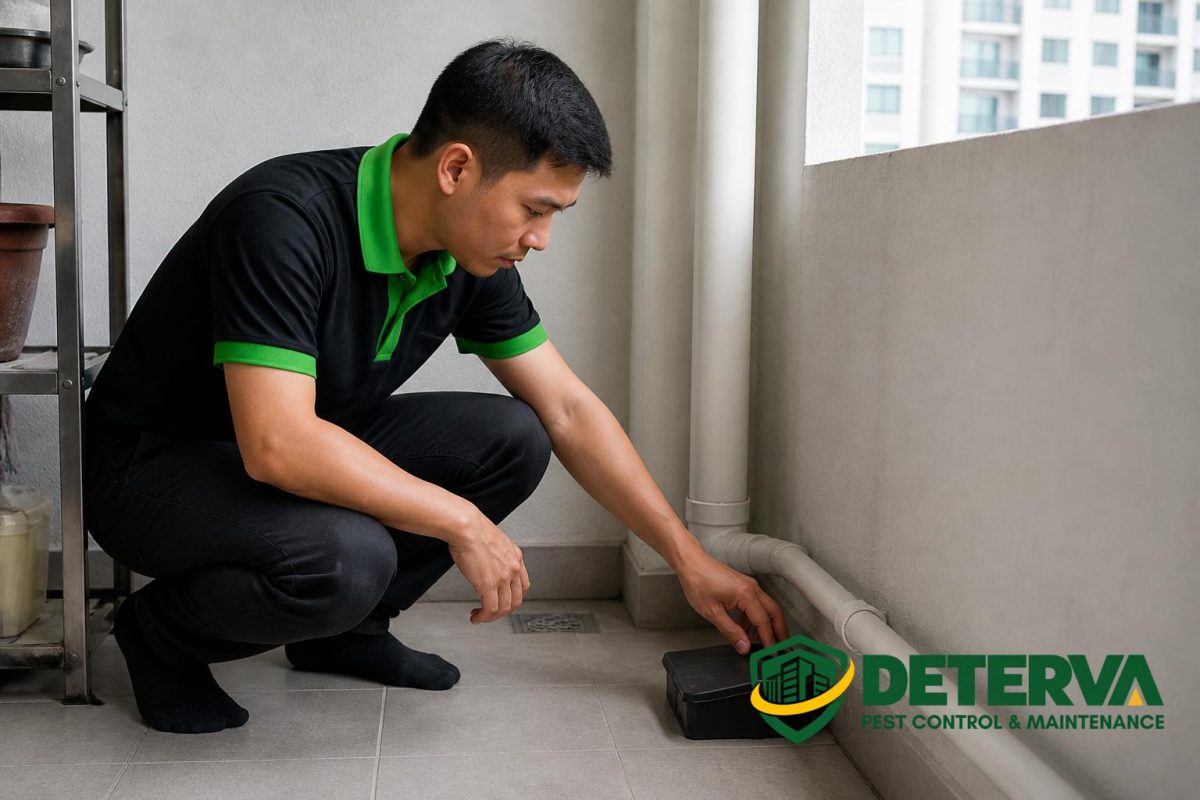
Balcony drains and floor traps are easy to overlook until water starts pooling, odours rise, or pests begin using them as entry points. In Singapore homes, especially HDB flats, condominiums and landed properties with outdoor balconies or service areas, these drainage points need regular checking because they deal with rainwater, wash water, debris and organic build-up. Good property maintenance here is not just about keeping things neat; it helps reduce blockages, seepage, smells and the conditions that attract insects.
If a balcony drain or floor trap is left unchecked, small issues can become disruptive. Leaves, sand, soap scum and grease can slow drainage. A dry trap can allow unpleasant sewer smells to travel indoors. Damaged grates, loose covers or cracked edging can also make cleaning harder and let dirt collect at the edges. Homeowners do not need specialised tools for basic checks, but they do need a consistent routine and an eye for warning signs.
Why balcony drains and floor traps need regular checks
Balcony drains and floor traps serve different functions, but both are part of the same property maintenance picture: safe water flow and hygiene. Balcony drains usually collect rainwater and wash water, while floor traps help stop drain odours and assist with waste water discharge in wet areas. When either becomes blocked or neglected, the effects can spread to nearby tiles, walls and internal rooms.
For Singapore homes, heavy rain, humid weather and frequent washing increase the need for routine checks. Sand from footwear, potting soil from plants and lint from cleaning can all collect near the drain opening. In some homes, the balcony is also used for storage or laundry, which means the area sees more dust and fibres than expected.
What homeowners should look for during a visual inspection
A basic inspection does not require dismantling anything. Start with what can be seen and smelled. The aim is to spot early signs before they become a plumbing or hygiene issue.
Check water flow after rain or cleaning
After rainfall or mopping, observe whether water clears quickly or lingers around the drain. Slow drainage often means debris has started to build up. If water backs up repeatedly, the line may need more than surface cleaning.
Look at the drain cover and surrounding floor
Inspect the grate, cover or strainer for cracks, rust, loose fit or visible dirt on the underside. Look around the edges of the trap for grime, black residue, mould spots or mineral deposits. These can indicate moisture retention or poor cleaning access.
Watch for unusual odours
A floor trap should not produce a strong stale or sewer-like smell under normal conditions. If odours appear after long periods without water use, the water seal may have dried out. If smells remain even after flushing the trap with water, there may be a deeper issue that needs attention.
Notice signs of pests using the area
Drains and traps can attract cockroaches if food residue, moisture or debris is present. Homeowners should look for movement near the opening, droppings, shed skins or insects emerging at night. This is not a reason to assume a large infestation, but it is a sign that cleaning and sealing checks are overdue.
Common causes of blockage and odour build-up
Balcony drains and floor traps are often affected by everyday household materials rather than major faults. Identifying the cause helps with the right maintenance response.
- Leaves and plant debris: Common on balconies with potted plants or outdoor cleaning.
- Sand and grit: Carried in from shoes, wind or outdoor activity.
- Soap residue: Builds up in traps used for mopping or laundry water.
- Lint and fibres: Often from washing, wiping cloths or nearby storage.
- Grease or food particles: Sometimes enter traps from washing trays or containers in service areas.
- Dry trap seals: A lack of water in the trap can allow odours to escape.
These issues are usually easier to handle when caught early. Waiting too long can make residue harder to remove and may require more involved cleaning or repair work.
How to maintain balcony drains safely
Routine maintenance should be simple and careful. Homeowners can do basic upkeep without forcing components or using harsh methods that may damage finishes.
Keep the surface clear
Remove visible leaves, loose dirt and litter around the drain opening. If there is a removable strainer, clean it regularly so debris does not sit on top of the opening.
Flush with clean water when needed
After light cleaning, a controlled flush with clean water can help check whether drainage is moving properly. This is useful after sweeping the balcony or washing the area. If water drains slowly every time, further inspection is sensible.
Do not ignore repeated clogging
If the same drain blocks often, there may be a deeper build-up inside the line or a slope issue affecting flow. In that case, repeated surface cleaning alone may not solve it. A proper assessment can help determine whether the issue is local debris, a trap problem or something further along the drainage route.
How to maintain floor traps in wet areas
Floor traps in bathrooms, laundry corners or service yards need slightly different attention because they are exposed to soapy water and more frequent use. They should remain accessible, clean and free from hardened residue.
Homeowners should check whether the trap cover is properly seated and whether water drains without pooling around the edges. If the trap is rarely used, pouring a small amount of clean water in from time to time may help maintain the water seal and reduce smells. If odours return quickly, the issue may be more than simple dryness.
It is also worth checking for damage around the trap itself. Loose grout, cracked tile edges or rusting metal parts can make the area harder to maintain and may allow dirt to settle in corners. These are property maintenance concerns, not just surface cleaning matters.
When the issue may need professional attention
Some signs point to a maintenance issue that goes beyond routine homeowner cleaning. A professional assessment can be useful when the problem is recurring, unclear or affecting more than one area.
- Water remains pooled after normal use or rain
- Bad smells return even after flushing the trap
- The drain cover is damaged, loose or difficult to remove safely
- There is visible mould, staining or seepage near the trap
- Pests appear repeatedly around the drain opening
- The balcony or wet area has a history of blockage
In Singapore homes, early maintenance is often more practical than waiting for a complete blockage or leak. A timely check can help prevent inconvenience to neighbours below in flats and reduce the chance of water damage in condominiums and landed properties.
Simple prevention habits that help
Good prevention is usually about consistency rather than major effort. Keeping the balcony and wet areas tidy can make drains and traps easier to manage throughout the year.
- Sweep balconies regularly, especially after windy weather
- Use strainers where suitable to reduce debris entering openings
- Dispose of plant waste, hair and lint before washing the area
- Avoid pouring thick residue, grease or heavy dirt into drains
- Check traps after long periods of non-use
- Watch for repeated odours, slow drainage or edge staining
These habits support better drainage and make it easier to notice changes early. They also reduce the chance that small clogs will turn into larger maintenance problems.
If you would like help with balcony drains or floor traps, WhatsApp Deterva Pest Control & Maintenance Singapore for an assessment or quotation. Share the observed signs, affected rooms or property type, and photos where useful so the issue can be reviewed properly.
Conclusion
Balcony drains and floor traps need regular attention because they sit at the intersection of drainage, cleanliness and hygiene. Homeowners should check for slow flow, trapped debris, odours, damaged covers and repeated moisture build-up. With consistent inspection and simple preventive habits, many common issues can be identified early before they become more troublesome. When the problem keeps returning or looks deeper than surface dirt, a professional maintenance assessment is a sensible next step.
Choose Deterva Pest Control & Maintenance Singapore
Deterva Pest Control & Maintenance Singapore provides professional pest control, pest management, and property maintenance services for HDB flats, condominiums, landed homes, and commercial properties across Singapore. Our pest control solutions help address existing infestations while identifying conditions that may contribute to recurring pest problems. Services include bed bug pest control, termite control, and preventive pest management, alongside mattress cleaning and sofa cleaning to support cleaner and better-maintained properties.
Our other services also cover plumbing, aircon servicing, electrical services, and handyman support for general property upkeep and repairs. Whether you need a one-time pest treatment, ongoing pest management, or practical property maintenance, we recommend suitable solutions based on the condition, requirements, and maintenance needs of your premises.
For more information on pest prevention and property care, explore our blog for useful guides or browse our completed projects for examples of pest control and maintenance work across Singapore. Contact us via WhatsApp at +65 8241 0032 to discuss your pest control and property maintenance requirements and request a quotation.
Frequently Asked Questions
How often should I check my balcony drain or floor trap?
A quick visual check every few weeks is sensible, with extra attention after heavy rain, deep cleaning or periods of non-use. If the area tends to collect leaves or dirt, checking more often helps prevent build-up.
Why does my floor trap smell even after I clean it?
A persistent smell may mean the water seal has dried out, residue has collected deeper inside, or there is another drainage issue. If flushing the trap does not help, it may need further inspection.
Can pests come from balcony drains and floor traps?
Yes, they can sometimes use damp, dirty or poorly sealed openings as access points. Regular cleaning, keeping the trap functional and addressing recurring odours or debris can help reduce this risk.