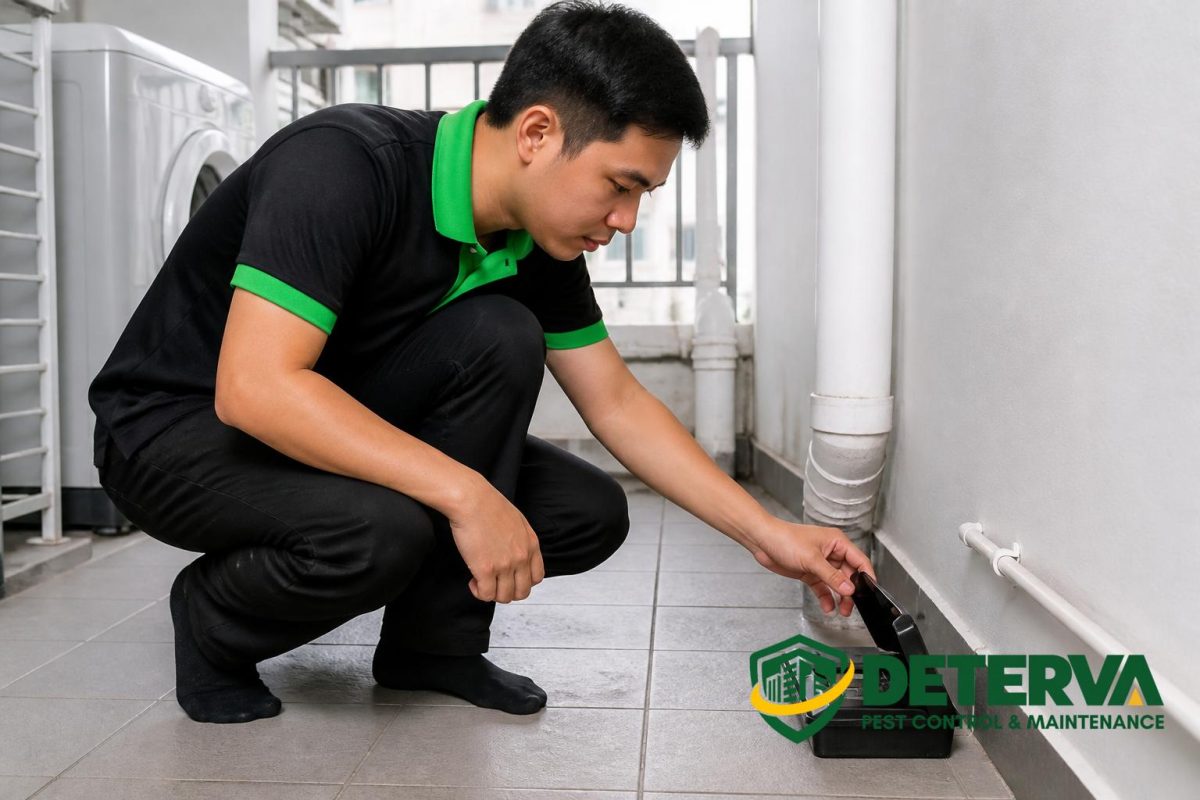
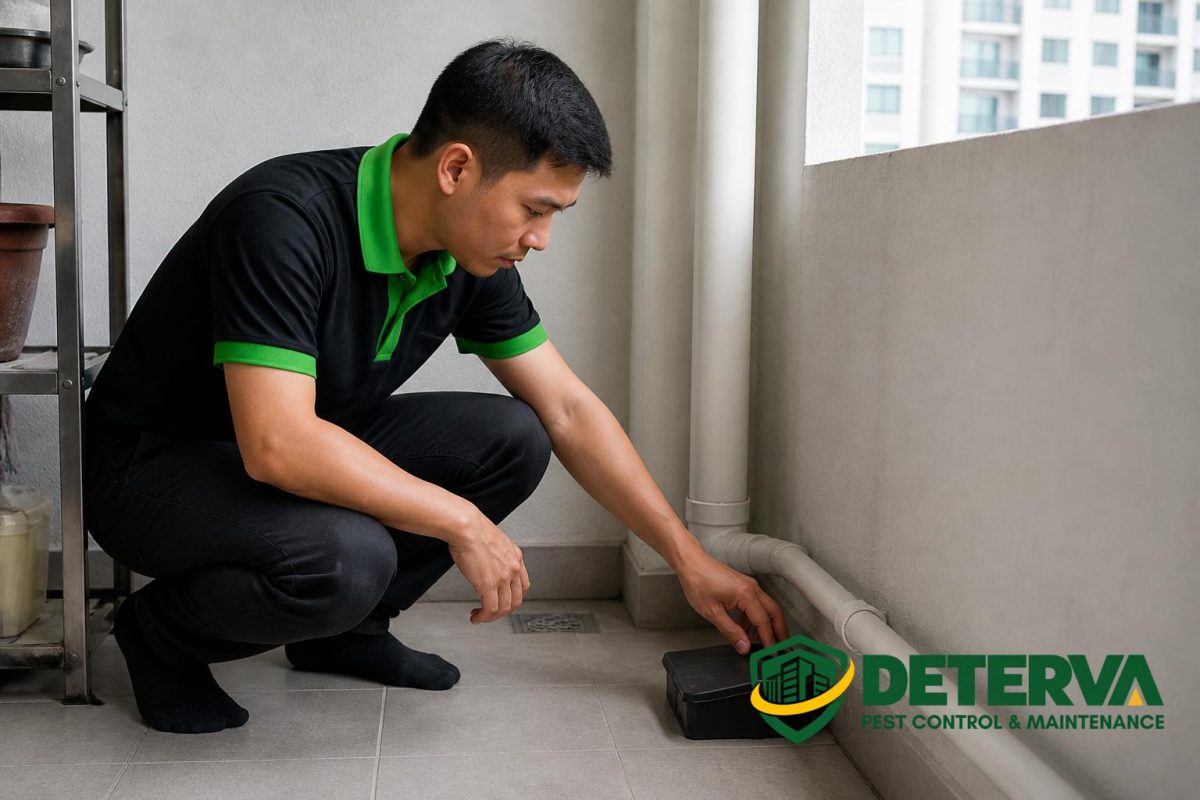
When planning a home renovation in Singapore, pest management is often overlooked until after the work is done. That is a mistake. Renovation can disturb hidden pest harbourages, expose gaps in finishes, and create new access points around skirting, cupboards, service ducts and pipe runs. If you want a home that is not only visually refreshed but also easier to maintain, pest management should be considered from the start rather than treated as an afterthought.
For HDB flats, condominiums and landed homes, renovation is a practical moment to look at how pests may enter, where they may nest, and which materials or layout choices could make future monitoring easier. Good pest management is not only about treatment. It includes inspection, prevention, sensible construction details and ongoing housekeeping conditions that reduce the chance of recurring issues.
Why renovation can change pest risk
Renovation work often opens up the very places pests use to move and hide. Once old cabinetry is removed, wall voids, floor gaps, cable penetrations and damp corners become easier to see. This is useful, because it gives you a chance to identify problems before the home is sealed up again. It is also a risk, because pests may be displaced into other parts of the property if disturbance is unmanaged.
In Singapore homes, common renovation-related concerns include ants moving into new kitchen cabinetry, cockroach activity around service areas, rodents entering through external gaps, and moisture-related conditions that support pest activity. In landed homes, roof edges, garden access points and external utility areas may also need attention. In condos and HDB flats, shared walls, plumbing chases and refuse-related pathways can influence where pest pressure appears.
Start with an inspection before design is finalised
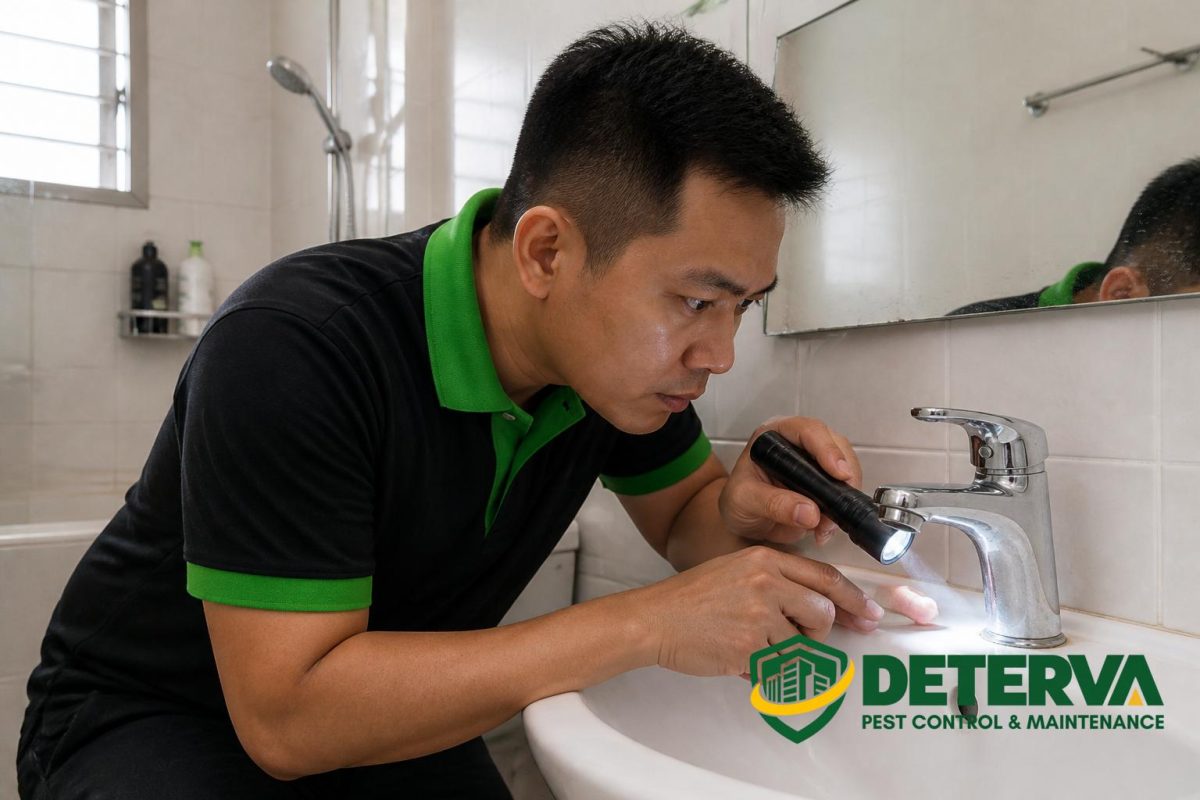
A sensible renovation plan begins with an inspection of the property’s current condition. This does not mean every home has a major pest problem. It means identifying signs, vulnerabilities and maintenance issues before finishes are installed. If there is evidence of pest activity, the response should be based on observation and assessment, not guesswork.
What to look for during pre-renovation checks
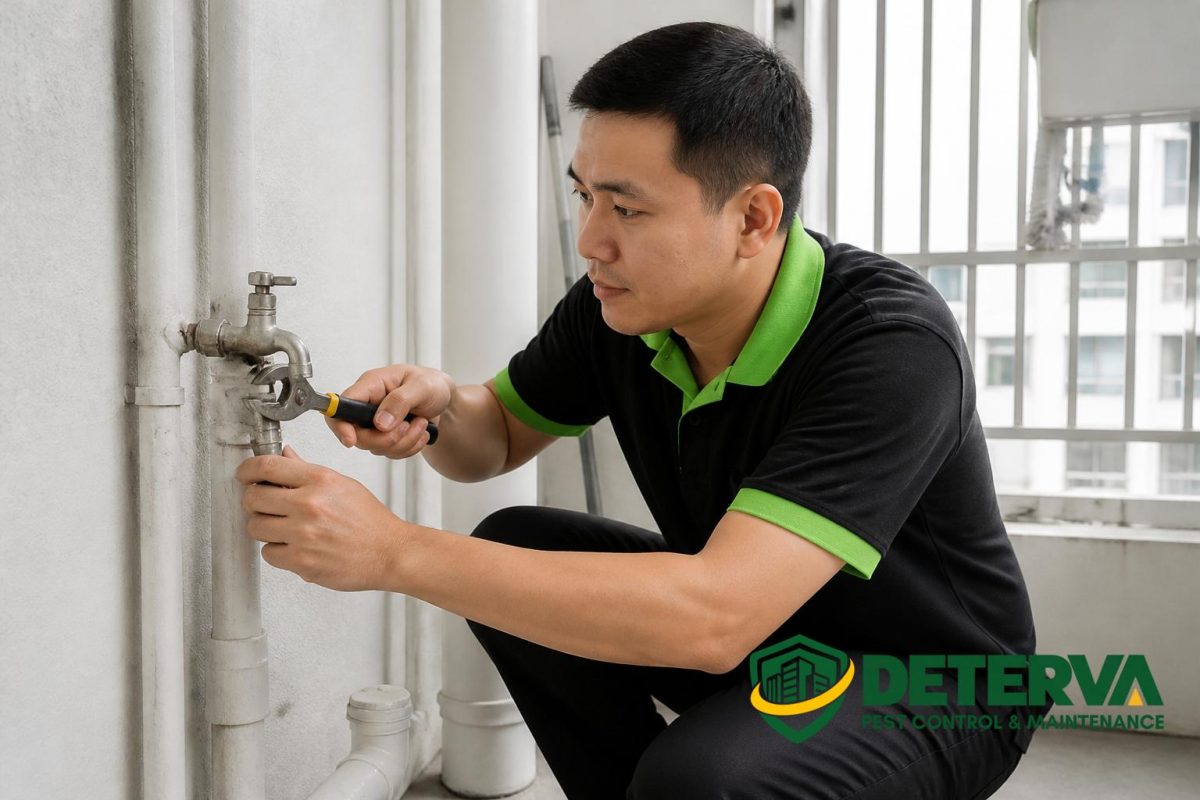
- Gaps around pipes, cables, floor traps and service penetrations
- Damp areas, stained skirting or mould-prone corners
- Damaged timber, loose joinery or hollow-sounding wood elements
- Crumbs, debris or sheltered voids behind old cabinets
- Entry points near doors, windows, balcony edges and utility access areas
If pest signs are found, targeted pest control considerations may be appropriate before carpentry and painting are completed. That helps avoid trapping an existing issue behind new finishes.
Design choices that support long-term pest management
Some renovation choices make pest management easier over time. The goal is not to make a home “pest-proof” in an unrealistic sense, but to reduce accessible harbourage and simplify monitoring. Clean lines, accessible service routes and sensible sealing details all help.
For kitchens, it is helpful to avoid leaving unsealed voids behind cabinets where practical. Service openings should be neat and properly finished, especially around sinks and drainage points. In bathrooms, attention to moisture control and the condition of sealant around edges matters. For wardrobes and storage areas, keeping items off damp floors and allowing some access for cleaning can reduce cluttered hiding places.
In landed homes, external maintenance matters as much as interior finishes. Overgrown vegetation touching walls, poorly sealed utility penetrations, and neglected external storage can increase pest pressure. Renovation is a good time to correct these conditions rather than simply repainting over them.
When pest management should happen during renovation
The best timing depends on what is observed. If there are signs of active pests, treatment considerations should come before final carpentry, painting or flooring completion. If the issue is more about prevention and future monitoring, then sealing, housekeeping and access planning can be built into the renovation schedule.
For example, if a kitchen is being rebuilt, it may be practical to inspect behind the old fixtures first, address any signs of pest activity, and only then install the new cabinets. If a false ceiling or feature wall is being added, the contractor should avoid creating unnecessary hidden spaces that cannot be checked later. A renovation that is visually neat but impossible to inspect can make future pest management more difficult.
Materials and finishes can affect monitoring
Renovation materials do not cause pests by themselves, but they can influence what you notice and how easily a problem is managed. Dark, enclosed cavities may hide activity longer. Poorly fitted panels can create sheltered gaps. Excessive clutter in built-ins can make it harder to spot early signs of insects or rodents.
Practical choices often work better than decorative complexity. For example, detachable access panels may be more useful than permanently sealed decorative features in key service areas. Smooth, cleanable surfaces can make routine housekeeping easier. Where timber is used, keeping it dry and in good condition is important, because damaged or damp wood can become more vulnerable to pest-related concerns and deterioration.
Prevention is part of the renovation outcome
Many homeowners think of renovation as finished once the paint dries and the furniture arrives. In practice, a good renovation should also support prevention. That includes how waste is handled during the works, how storage is arranged afterwards, and how often hidden areas can be checked.
Simple prevention measures to include
- Seal obvious gaps around pipes, drains and service penetrations where suitable
- Keep kitchens and storage areas free of food residues and moisture build-up
- Arrange cabinetry and storage so that inspection and cleaning remain possible
- Repair damaged screens, door seals and external openings
- Keep renovation debris and old materials cleared away promptly
These measures do not replace professional pest control when there is an active issue, but they do reduce the likelihood that pests will find easy conditions after the renovation is complete.
What to discuss with your contractor or pest specialist
If you are renovating and want pest management included in the planning, it helps to be specific. Ask where access points are likely to remain, which voids will be enclosed, and whether there are signs of current pest activity that should be addressed before finishing works. For properties with repeated issues, it may also be worth discussing monitoring points and maintenance access for future checks.
It is also sensible to separate trades properly. Pest management is not the same as carpentry, plumbing or electrical work. If a leak, damp patch or defective seal is contributing to pest activity, the underlying property condition should be fixed as part of the renovation plan. That way, the pest issue is not simply moved elsewhere or hidden behind new materials.
WhatsApp Deterva Pest Control & Maintenance Singapore for an assessment or quotation for pest management during your renovation. Share the signs you have observed, the affected rooms or property type, and photos where useful so the issue can be assessed more accurately.
Conclusion
Pest management should be part of your home renovation plans because renovation changes the structure, access points and hidden spaces within a property. By checking for existing signs, sealing sensible gaps, planning for monitoring, and correcting moisture or maintenance issues at the same time, you give your upgraded home a better chance of staying manageable in the long term. In Singapore homes, that means thinking beyond appearance and considering how the finished space will perform day to day.
Choose Deterva Pest Control & Maintenance Singapore
Deterva Pest Control & Maintenance Singapore provides professional pest control, pest management, and property maintenance services for HDB flats, condominiums, landed homes, and commercial properties across Singapore. Our pest control solutions help address existing infestations while identifying conditions that may contribute to recurring pest problems. Services include bed bug pest control, termite control, and preventive pest management, alongside mattress cleaning and sofa cleaning to support cleaner and better-maintained properties.
Our other services also cover plumbing, aircon servicing, electrical services, and handyman support for general property upkeep and repairs. Whether you need a one-time pest treatment, ongoing pest management, or practical property maintenance, we recommend suitable solutions based on the condition, requirements, and maintenance needs of your premises.
For more information on pest prevention and property care, explore our blog for useful guides or browse our completed projects for examples of pest control and maintenance work across Singapore. Contact us via WhatsApp at +65 8241 0032 to discuss your pest control and property maintenance requirements and request a quotation.
Frequently Asked Questions
Should pest management be arranged before or after renovation?
If there are signs of active pest activity, it is usually better to address them before final finishes go in. If the concern is prevention, the renovation itself can include sealing, access planning and housekeeping-friendly design. The right timing depends on what is observed.
Do I need pest management for a renovation if I have not seen pests?
Not every renovation needs treatment, but it is still sensible to inspect vulnerable areas. Renovation can reveal gaps, moisture issues and hidden voids that may support future pest activity. Prevention is often easier when planned early.
What renovation features help with pest prevention?
Useful features include well-sealed service openings, manageable storage layouts, access for cleaning, and attention to damp areas near kitchens, bathrooms and external walls. Good maintenance after renovation matters just as much as the design itself.