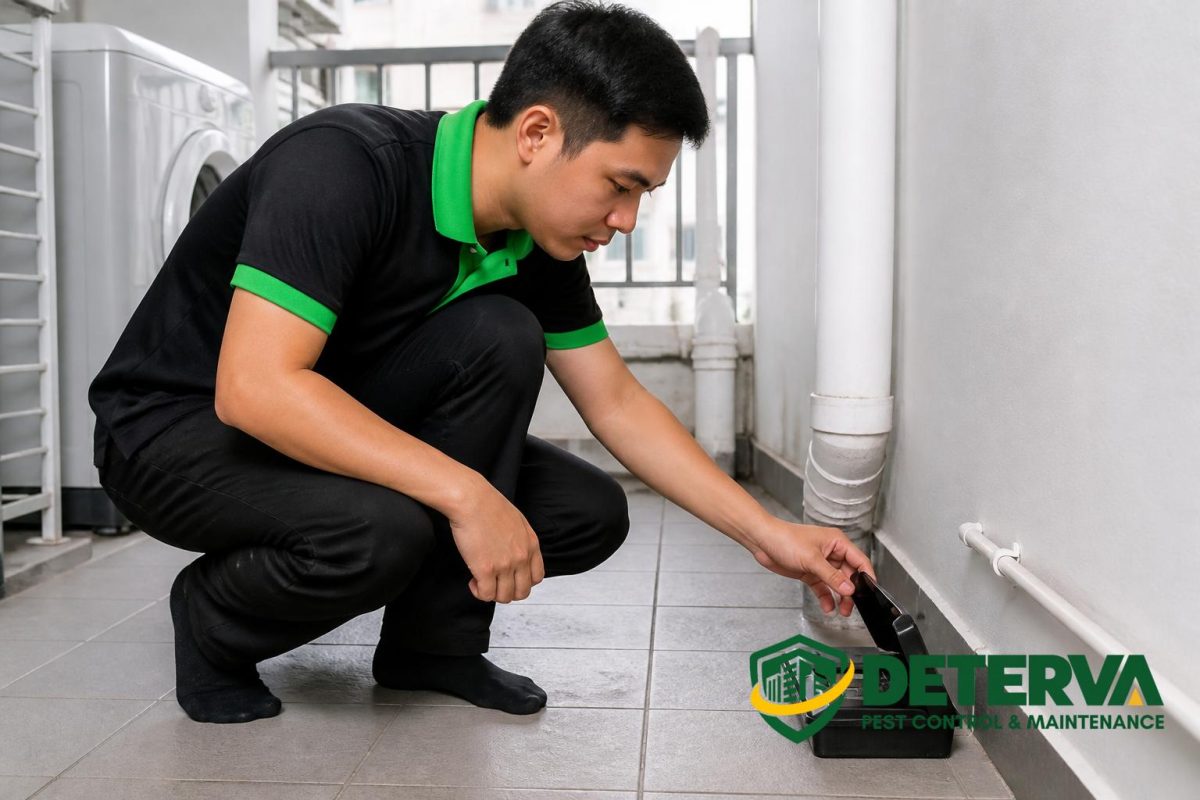
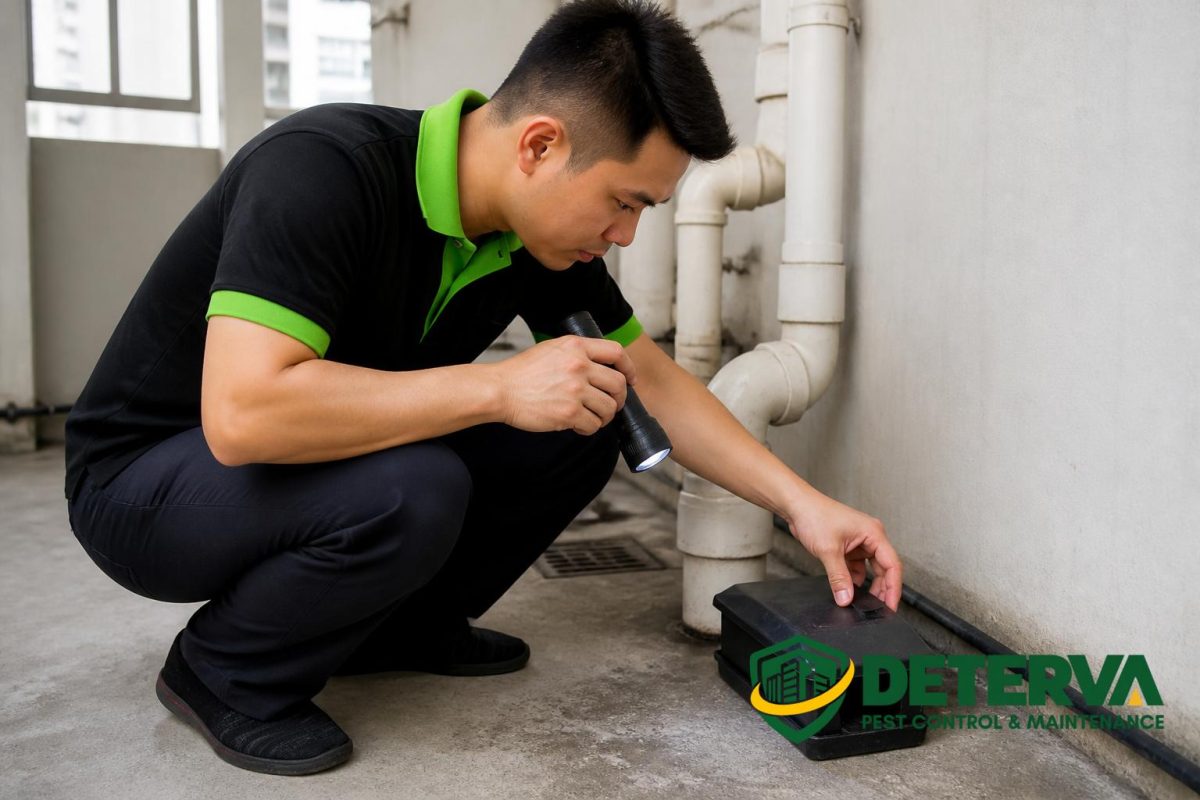
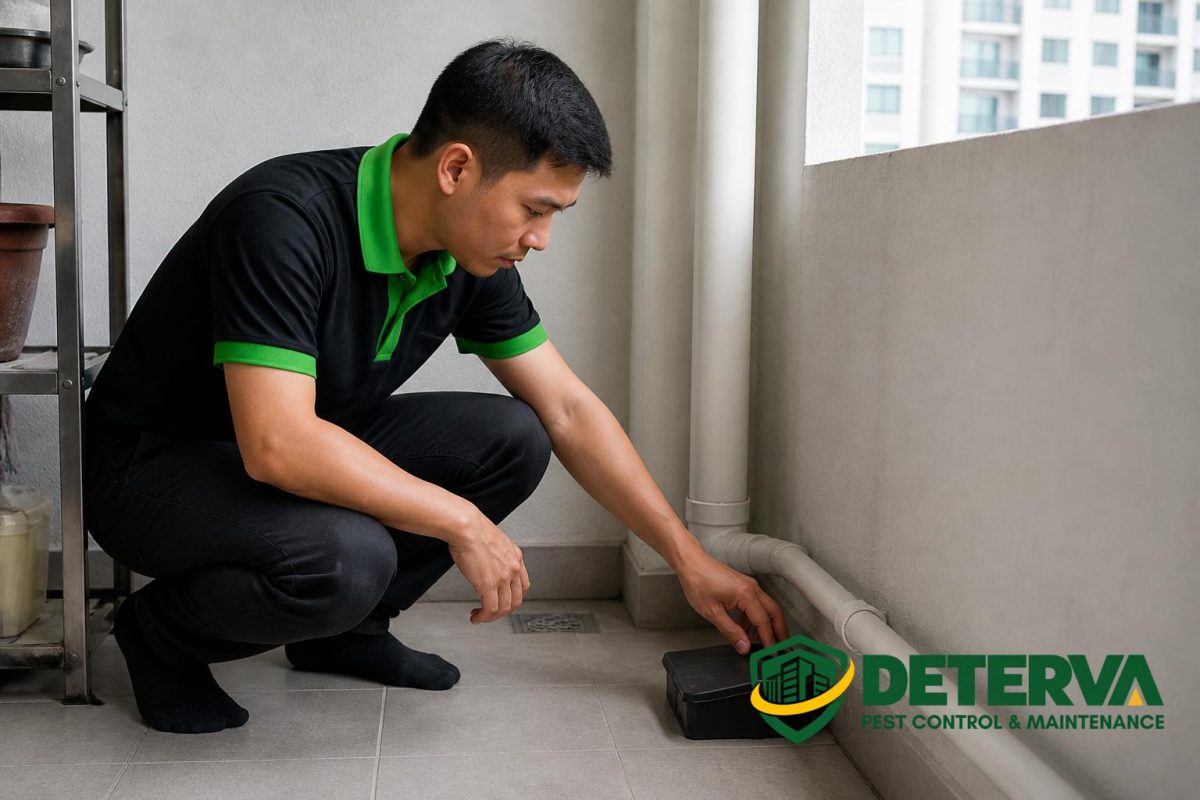
Preparing your home properly before a professional pest control appointment helps the technician work more efficiently, inspect the right areas and recommend the most suitable treatment plan. In Singapore, this is especially important in HDB flats, condominiums and landed homes where pests can move through kitchen voids, service yards, bathrooms, storage areas and shared surroundings. A well-prepared home also reduces disruption and makes follow-up advice easier to follow.
Good preparation does not mean deep cleaning the entire house or trying to eliminate pests on your own before the appointment. It means making the affected areas accessible, noting what you have observed and removing obstacles that could delay inspection. If you are arranging pest control for ants, cockroaches, rodents, mosquitoes or other household pests, the goal is to help the professional assess the situation accurately and apply targeted control where it is needed.
Why preparation matters before a pest control visit
A pest control appointment usually starts with assessment. The technician needs to look at signs such as droppings, live sightings, nesting materials, grease marks, entry points, food residue, moisture sources or damaged packaging. If cupboards are packed, surfaces are cluttered or access is blocked, important evidence may be missed.
Preparation also helps with safety and practicality. Pets, children’s items, food and personal belongings should be managed before treatment begins. This is not about creating a sterile environment; it is about allowing the service to proceed without unnecessary interruptions and ensuring the affected rooms can be properly inspected.
What preparation can improve
- Clearer inspection of problem areas
- More accurate identification of pest activity
- Better access to cracks, edges, cupboards and utility points
- Reduced delay during the appointment
- Easier compliance with post-treatment instructions
Identify the problem areas before the appointment
Before the technician arrives, take a few minutes to observe where the issue is most obvious. Note the room, the time of day and the type of sign you have seen. This helps the technician narrow down likely harbourage areas and movement paths. For example, cockroach activity is often linked to kitchens, drains, bins and behind appliances, while rodent issues may involve storage areas, ceiling voids, service yards or external access points.
If the pest is seen only occasionally, do not assume the problem is small. Sporadic sightings can still indicate a larger hidden issue. The point of sharing your observations is not to diagnose the pest yourself, but to guide the inspection.
Useful details to observe
- What you saw: live pest, droppings, shed skin, damage or smell
- Where it was seen: kitchen, bathroom, bedroom, yard, store room or balcony
- How often it appears: once, daily, or only at certain times
- Any recent changes: food storage, rubbish, renovation, leaks or moving items
Clear access to the affected rooms and hidden edges
Access is one of the biggest factors that affects inspection quality. Move light furniture away from skirting edges where possible, open cupboard doors and make sure the technician can reach behind appliances if the suspected area is there. If the issue involves a specific room, avoid locking it, overfilling it with boxes or using it as temporary storage before the appointment.
In Singapore homes, pests often make use of concealed areas such as under sinks, behind refrigerators, along pipe penetrations, inside cabinet voids and around service access points. These are exactly the places that should be visible during an appointment. You do not need to dismantle anything unless instructed; simple access is usually enough.
Examples by property type
- HDB flats: clear kitchen counters, service yard corners, under-sink cabinets and bin areas.
- Condominiums: check balcony storage, kitchen voids, utility cabinets and areas near air vents or pipes.
- Landed homes: include storerooms, outdoor points, perimeter entries and attic or basement access if relevant.
Manage food, rubbish and household items beforehand
Food residue attracts many common household pests, so basic tidying makes the inspection more useful. Store open food properly, wipe crumbs from counters and make sure rubbish is bagged and sealed. If the technician needs to inspect pantry shelves or kitchen cabinets, it is helpful to remove loose items from the front rows so surfaces can be checked easily.
Personal belongings should also be moved away from treatment areas if advised. This includes toys, pet bowls, toiletries, tableware and exposed clothing. For some situations, the focus may be on a single cabinet, a utility corner or a bedroom wall edge, so only the relevant items need to be shifted.
Simple pre-appointment checks
- Seal or dispose of rubbish before the visit
- Store exposed food in closed containers
- Remove pet bowls from the treatment area
- Keep counters and floor edges reasonably clear
- Do not spray unrelated household chemicals over suspected areas beforehand
Prepare pets, children and household members
Even for routine pest control, it is sensible to plan ahead for people and pets in the home. Keep children away from the treatment area while the technician is working. If you have pets, move their food, bedding and litter trays away from the zones being assessed or treated, and follow the technician’s specific instructions on when those items can be returned.
If a family member has mobility concerns or if certain rooms cannot be easily vacated, let the service provider know in advance. That allows the appointment to be planned more safely and realistically. The aim is not to overcomplicate the visit, but to make sure the service can be carried out with minimal disruption.
What not to do before pest control
Some homeowners try to deep-clean, seal everything or use multiple sprays before the appointment. That can make inspection harder and may hide the evidence the technician needs to see. It is usually better to leave obvious signs in place until the assessment is complete. For example, droppings, dead insects, chewed packaging or stained areas can help identify the pest and its likely route.
Avoid moving furniture around so much that the original problem area becomes unclear. Likewise, do not seal cracks, holes or entry points prematurely if they are part of the suspected issue. Let the professional determine which gaps matter and whether any repairs or preventive steps are suitable after inspection.
Common mistakes to avoid
- Over-spraying random products before the visit
- Throwing away all evidence before inspection
- Blocking access to cupboards, corners or service areas
- Leaving food, waste or pet items in the treatment zone
- Assuming one quick clean-up is enough to solve the issue
Be ready to discuss history, recurrence and prevention
A useful appointment is not just about where the pests are seen now. The technician may also ask about how long the issue has been present, whether neighbours have similar concerns in a shared building, and whether the problem appears after rain, at night or near certain fixtures. These details help with assessment and with deciding whether preventive measures are also needed.
After the visit, you may be given advice on storage, housekeeping, sealing gaps, drainage maintenance or monitoring. Follow-up is often part of sensible pest management, especially where the property conditions continue to support pest entry or harbourage. The goal is to reduce recurrence, not just address one isolated sighting.
WhatsApp Deterva Pest Control & Maintenance Singapore for an assessment or quotation for pest control at your home. Share the signs you have observed, the affected rooms or property type, and photos where useful so the team can review the situation more efficiently.
Conclusion
Preparing your home for a professional pest control appointment in Singapore is straightforward when you focus on access, observation and basic organisation. Clear the affected areas, protect food and household items, note the signs you have seen and avoid actions that hide the evidence. Whether you live in an HDB flat, condominium or landed home, the right preparation helps the technician assess the issue properly and recommend practical next steps for treatment and prevention.
Choose Deterva Pest Control & Maintenance Singapore
Deterva Pest Control & Maintenance Singapore provides professional pest control, pest management, and property maintenance services for HDB flats, condominiums, landed homes, and commercial properties across Singapore. Our pest control solutions help address existing infestations while identifying conditions that may contribute to recurring pest problems. Services include bed bug pest control, termite control, and preventive pest management, alongside mattress cleaning and sofa cleaning to support cleaner and better-maintained properties.
Our other services also cover plumbing, aircon servicing, electrical services, and handyman support for general property upkeep and repairs. Whether you need a one-time pest treatment, ongoing pest management, or practical property maintenance, we recommend suitable solutions based on the condition, requirements, and maintenance needs of your premises.
For more information on pest prevention and property care, explore our blog for useful guides or browse our completed projects for examples of pest control and maintenance work across Singapore. Contact us via WhatsApp at +65 8241 0032 to discuss your pest control and property maintenance requirements and request a quotation.
Frequently Asked Questions
Should I clean my home thoroughly before pest control arrives?
Light tidying is helpful, but deep cleaning is not necessary and may remove signs the technician needs to inspect. Focus on access, food storage, rubbish disposal and clearing the affected areas rather than scrubbing every surface.
Do I need to move all my furniture before the appointment?
No. Usually, only the items blocking access to the suspected problem areas need to be shifted. The technician may ask for access behind appliances, under sinks, along skirting edges or near cabinets depending on where the activity is found.
What information should I prepare for the pest control technician?
Be ready to explain what signs you noticed, where they were seen, how often the issue appears and whether there have been any recent changes such as leaks, renovation, food storage issues or rubbish build-up. Photos are also useful if the pest is not always visible.